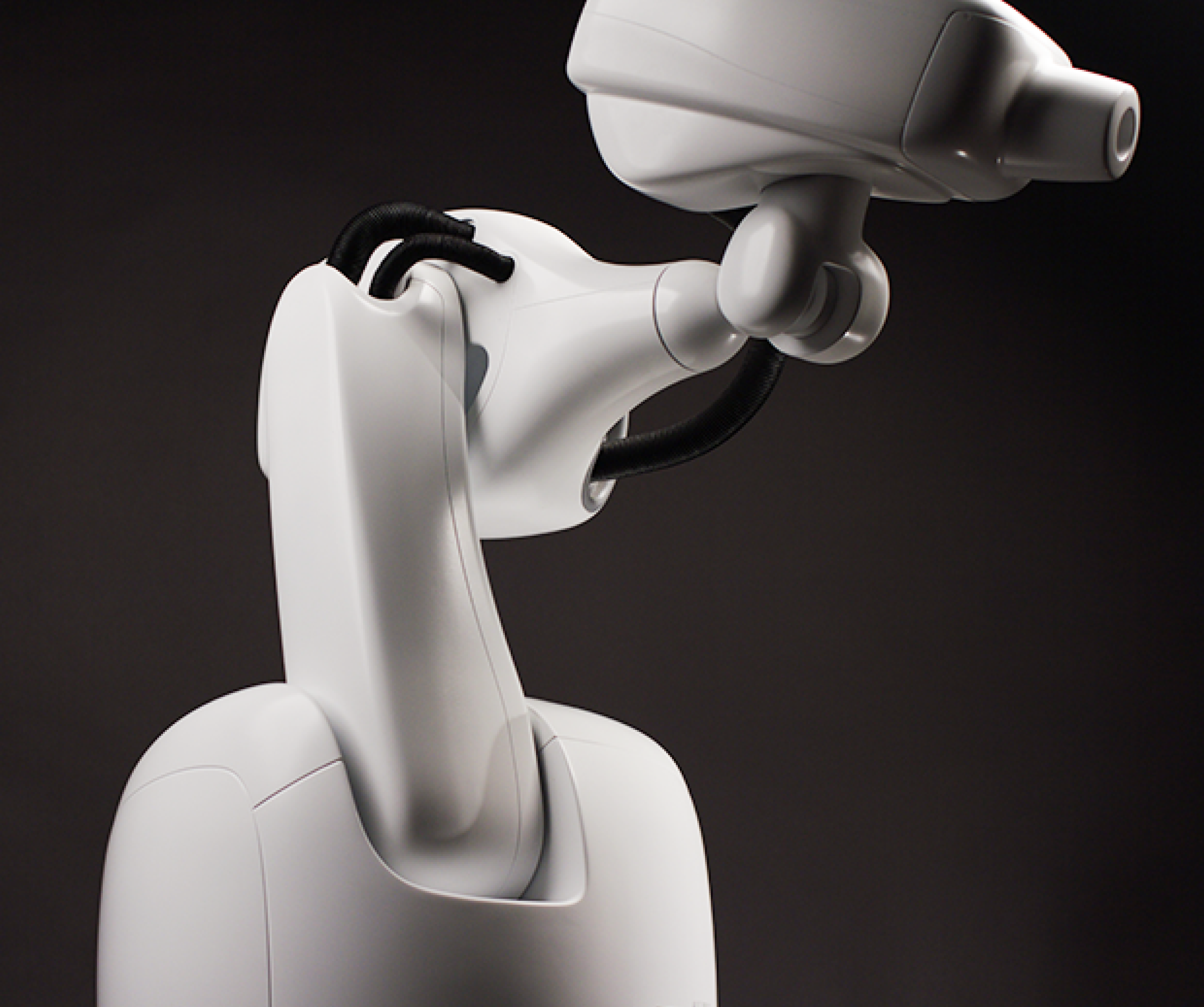
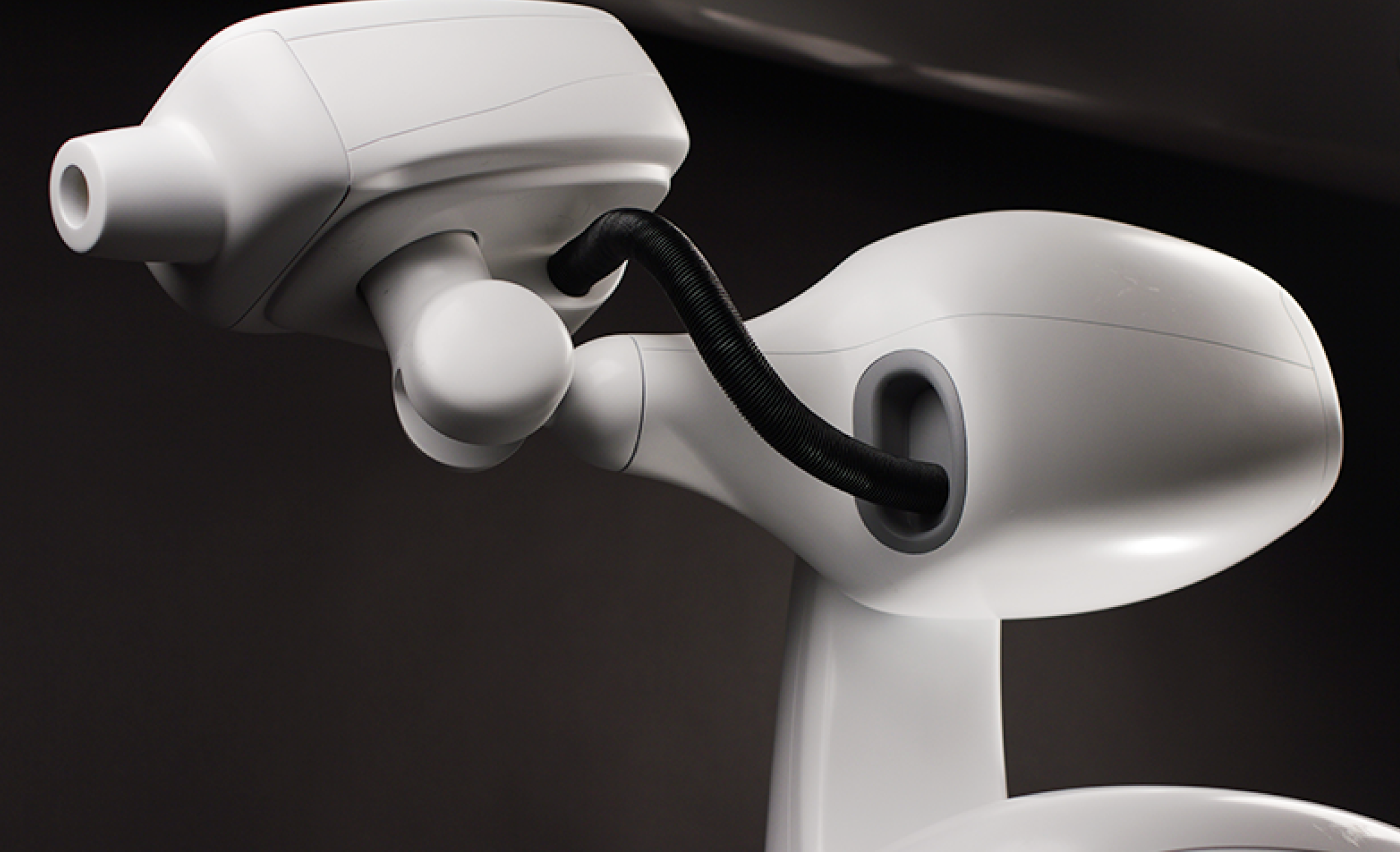
The team at Speck Design, under the leadership of Tark Abed, had the opportunity to completely redesign the Accuray CyberKnife M6 surgical robotic system, built on a KUKA robotic arm platform. This highly precise, multifunctional device is capable of an extensive range of kinematic positions, creating a unique set of design and engineering challenges. I contributed to this project as a design consultant, collaborating with the team on the development of the system as well as on several other projects during this period.
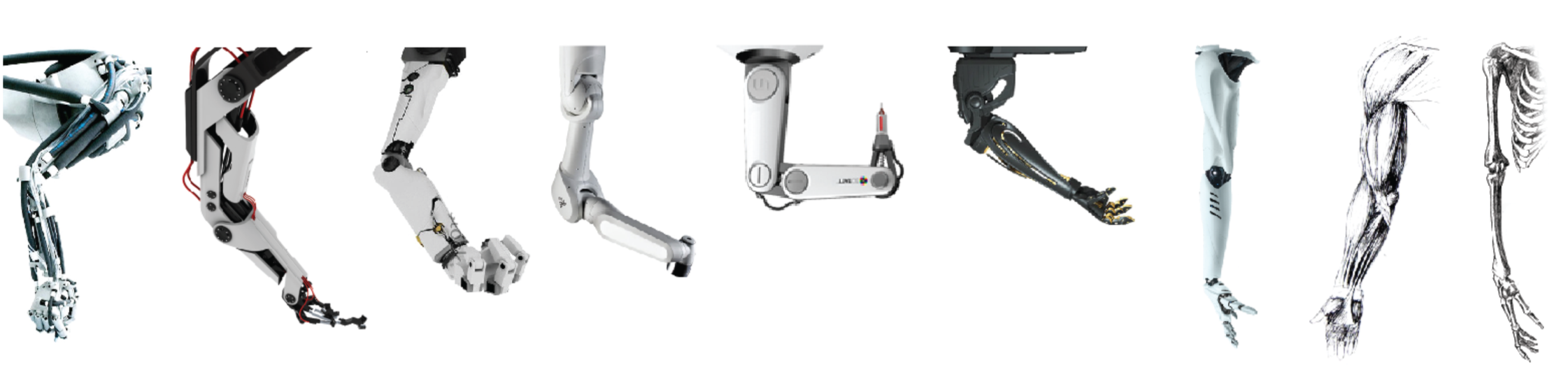
Quantitative and qualitative research was conducted by Industrial Design, UXR, and Engineering teams to establish the overall design direction. During this phase, we evaluated the competitive landscape and studied how people perceived robotic systems, particularly which visual and physical characteristics made them feel safe and approachable. Our research indicated that many comparable products were perceived as INDUSTRIAL and MECHANICAL, rather than APPROACHABLE and RELATABLE. The architecture, proportions, and overall form factor of these systems did little to put patients at ease. These insights became key drivers in defining a more human-centered design direction.

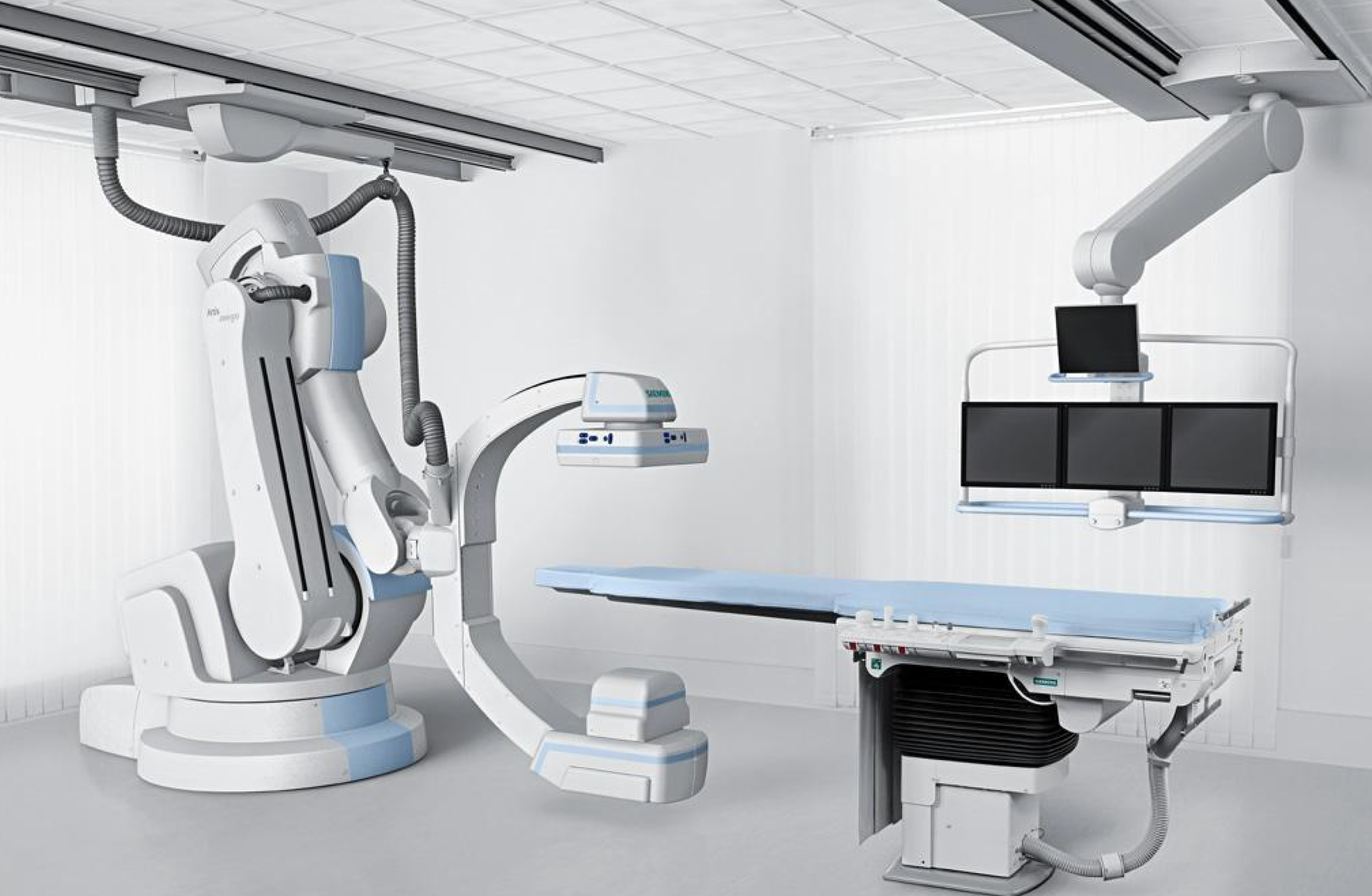
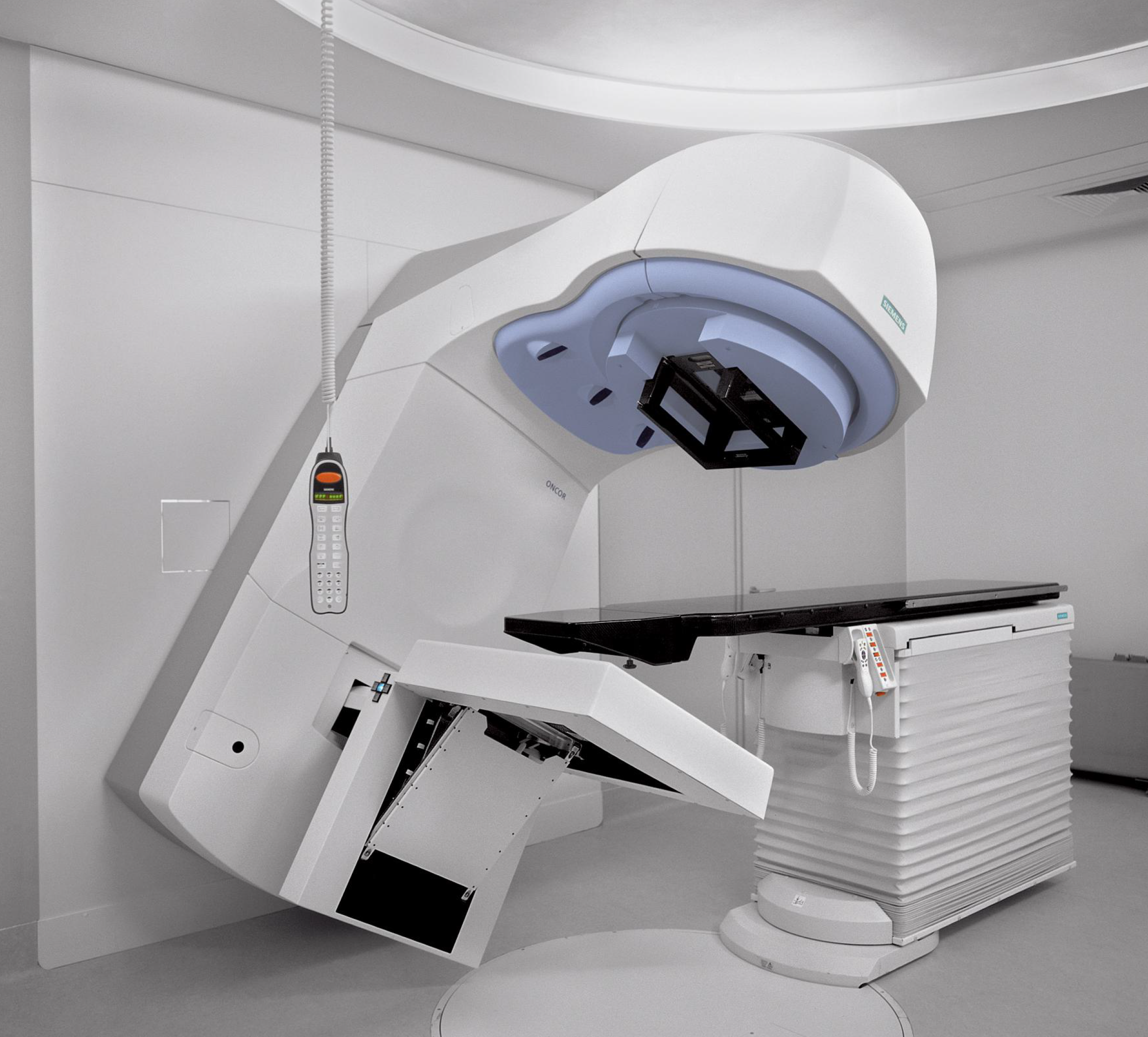
MECHANICAL - INDUSTRIAL - TOUGH
CLEAN - CAPABLE - FUNCTIONAL
HUMAN LIKE - ORGANIC - RELATABLE
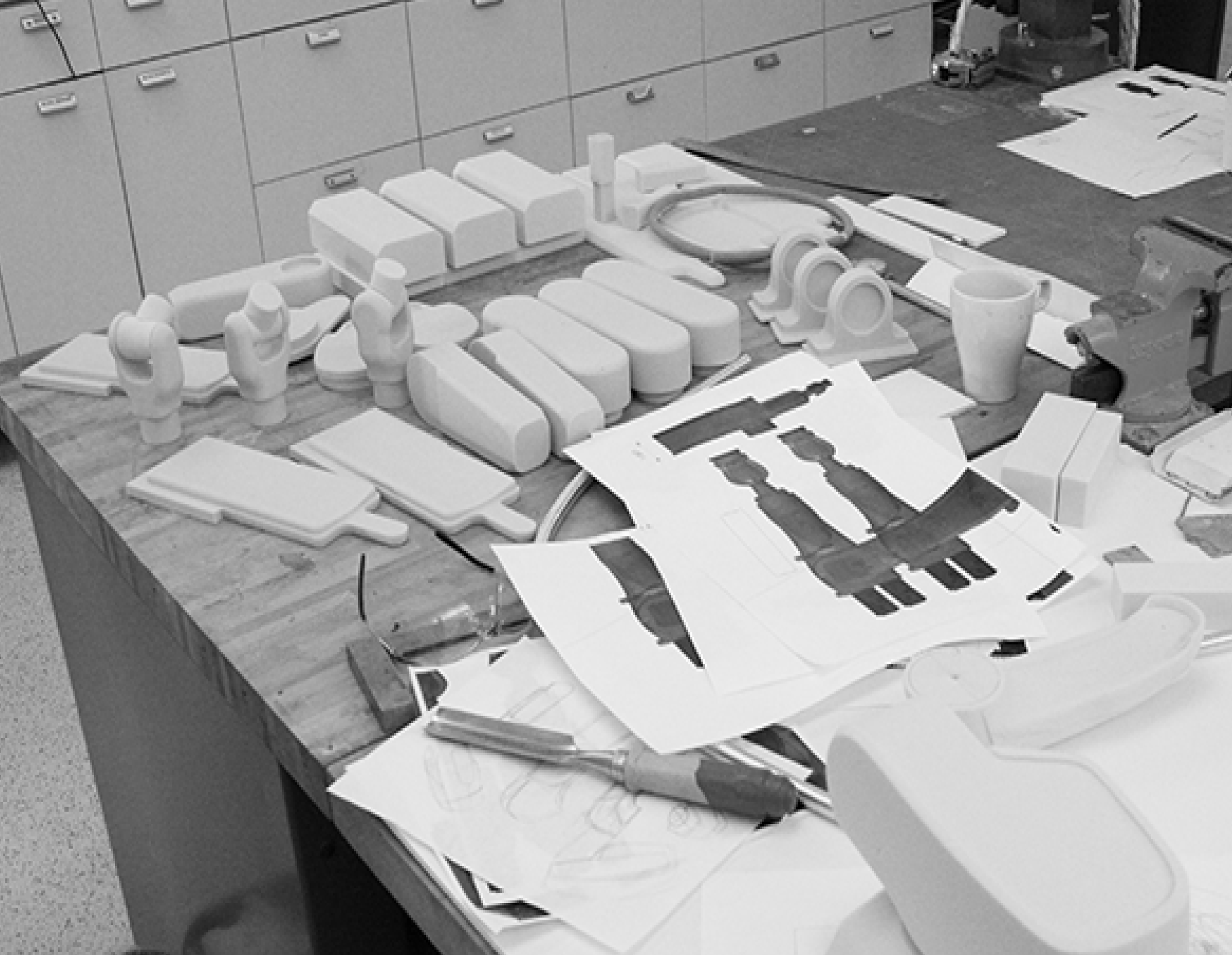
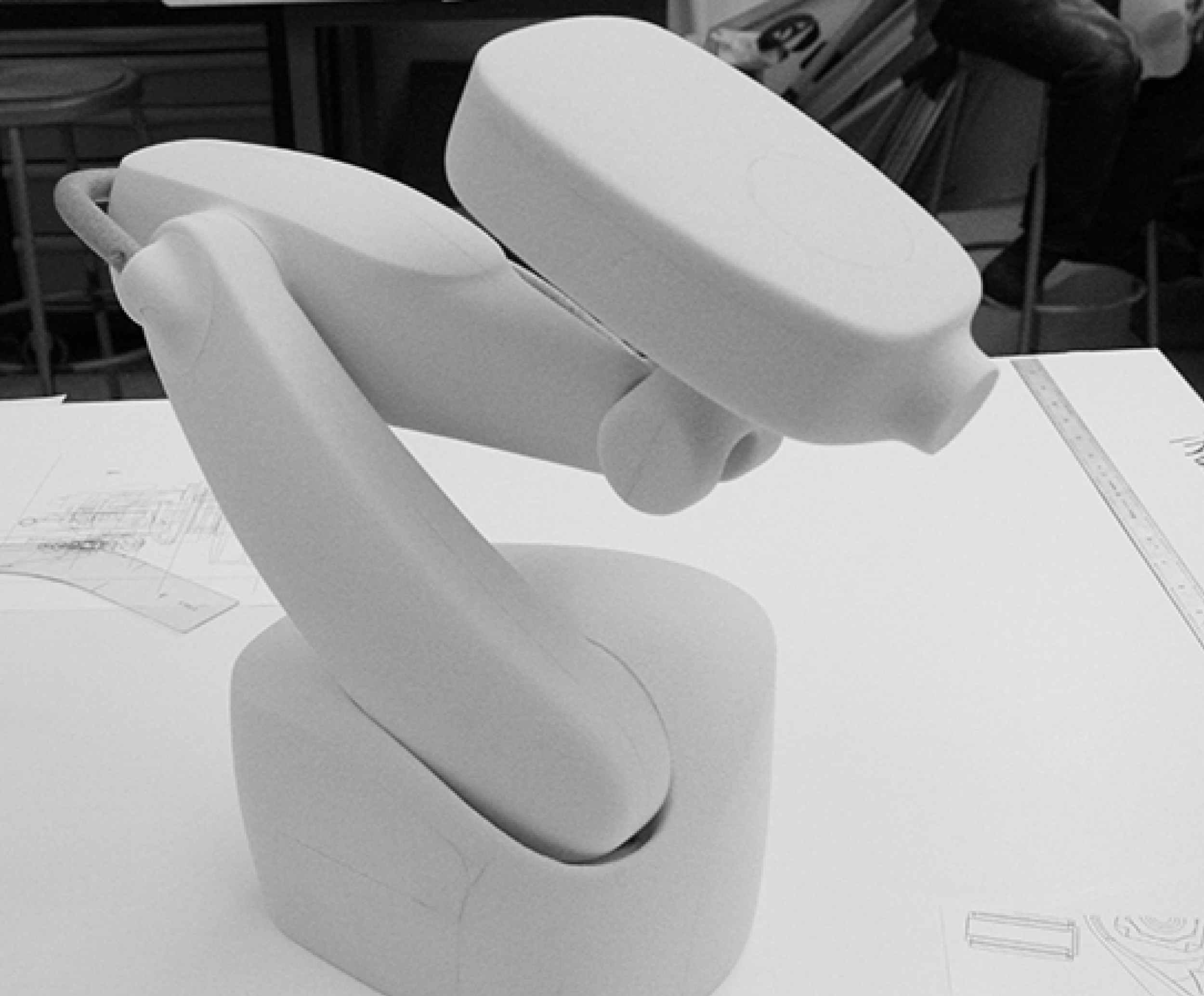
To validate our design, we worked closely with the Engineering team to develop concept proposals and tabletop physical models that could be manipulated in space, allowing us to evaluate movement and identify potential kinematic challenges. Once we gained confidence in the design’s feasibility, the team developed a full-scale, functional robotic arm to further validate the concept.
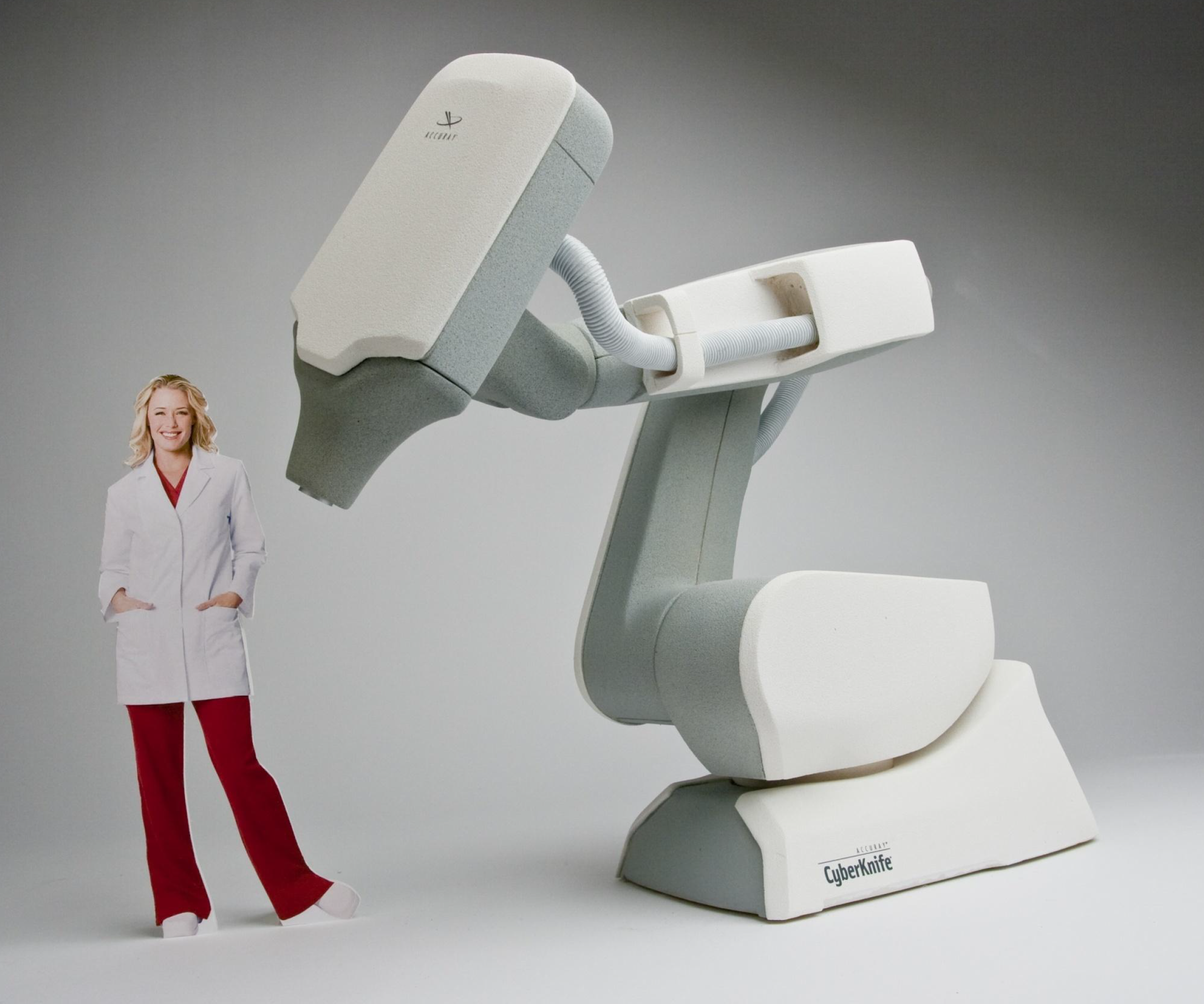
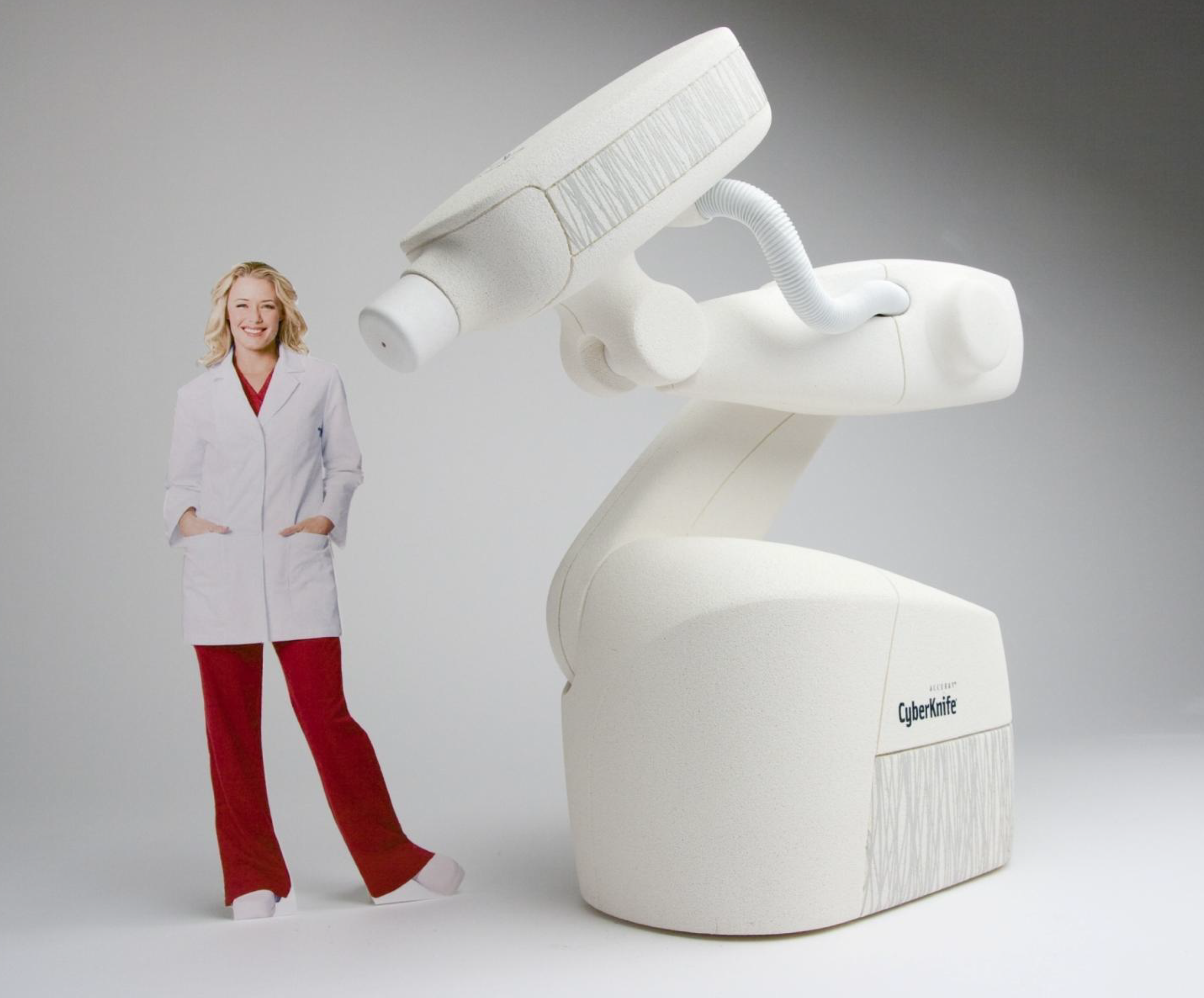
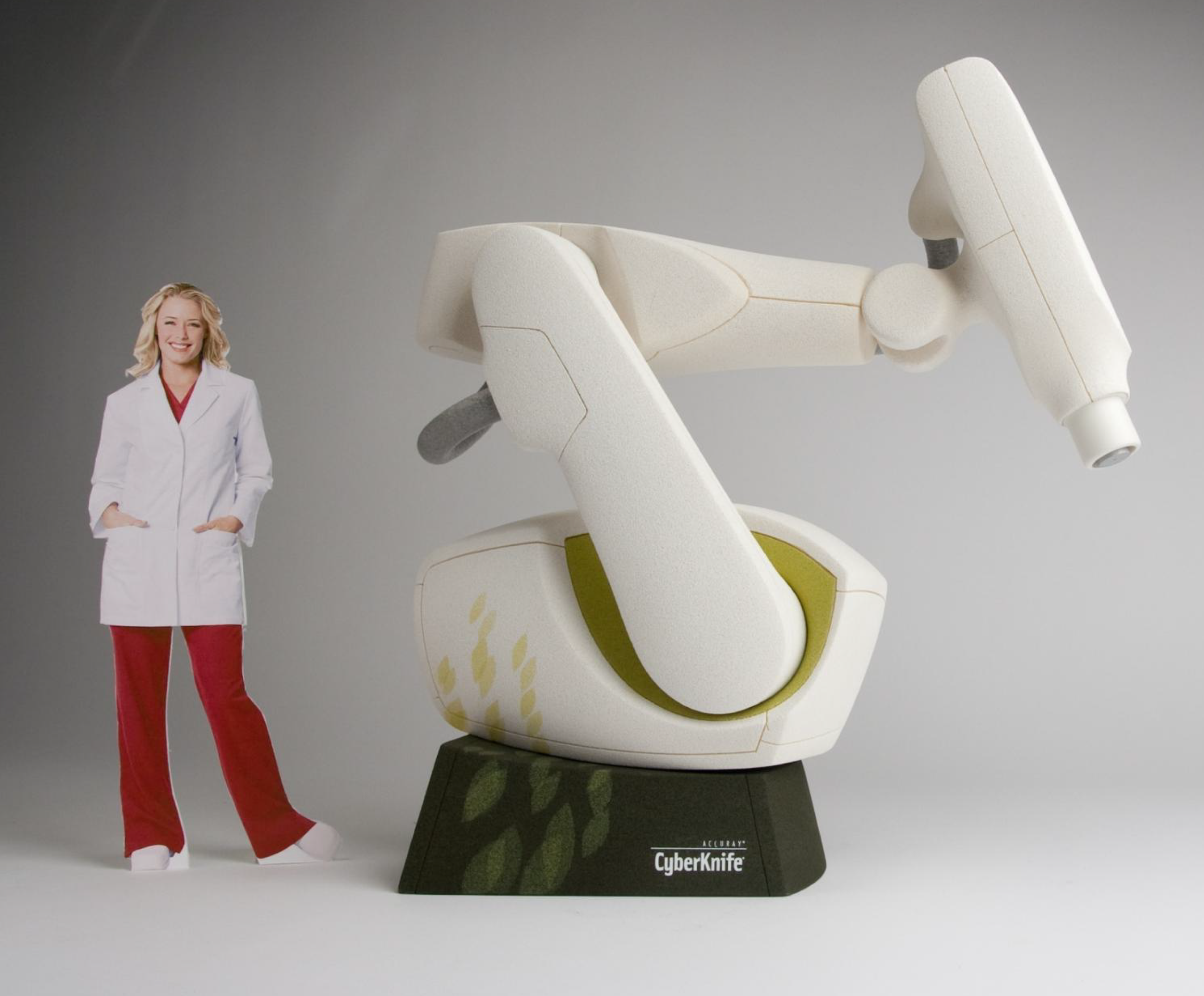
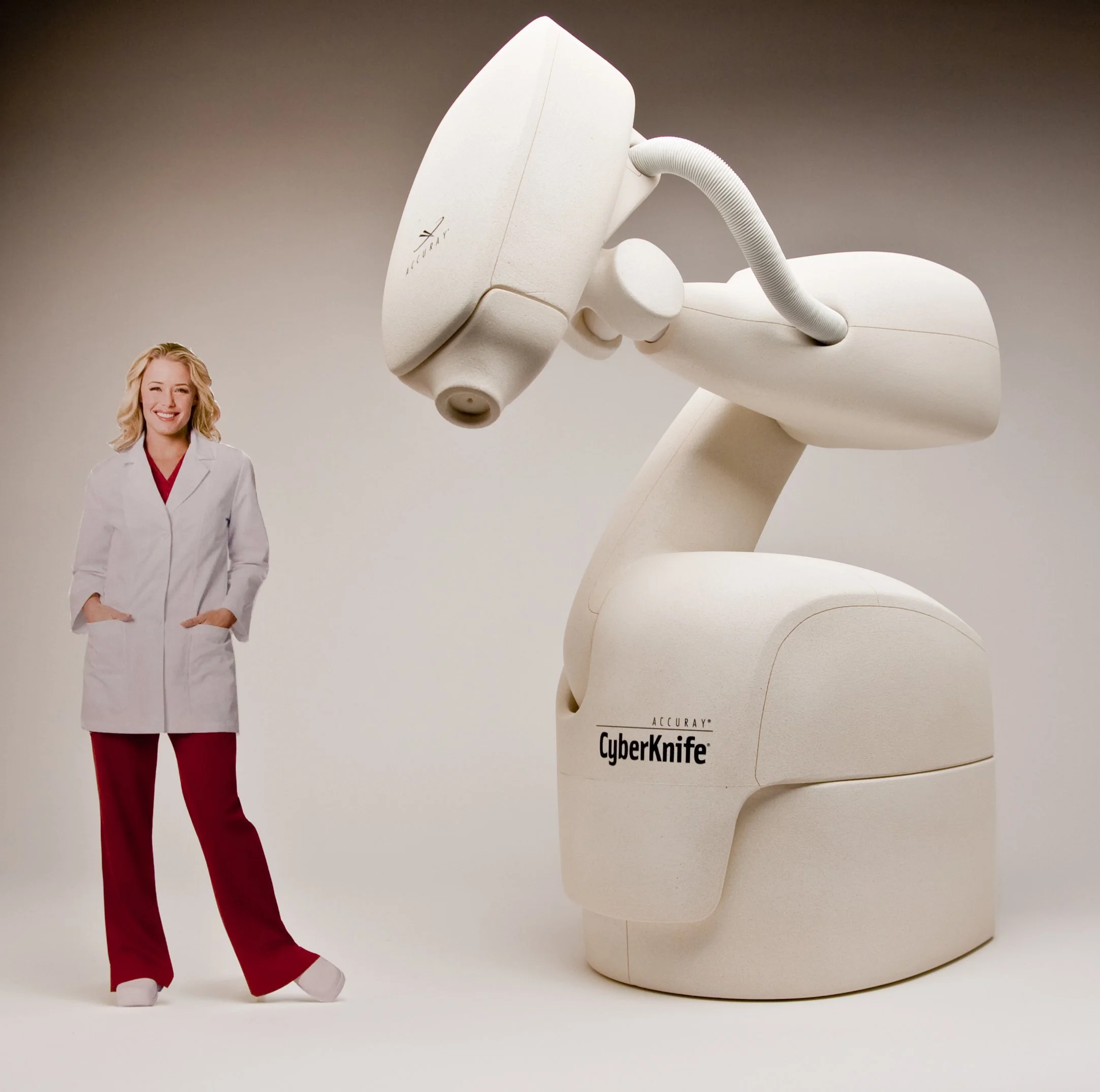
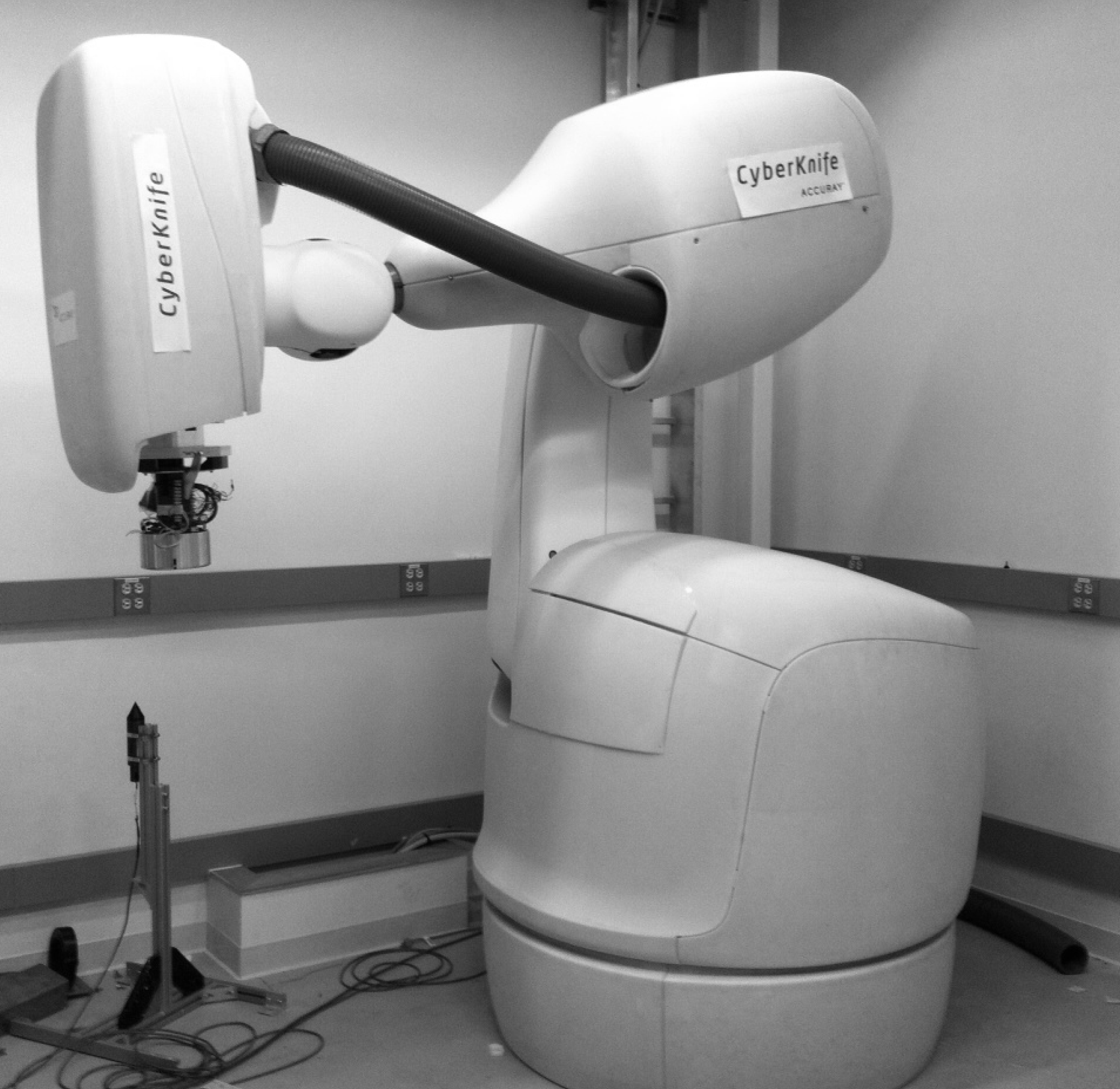
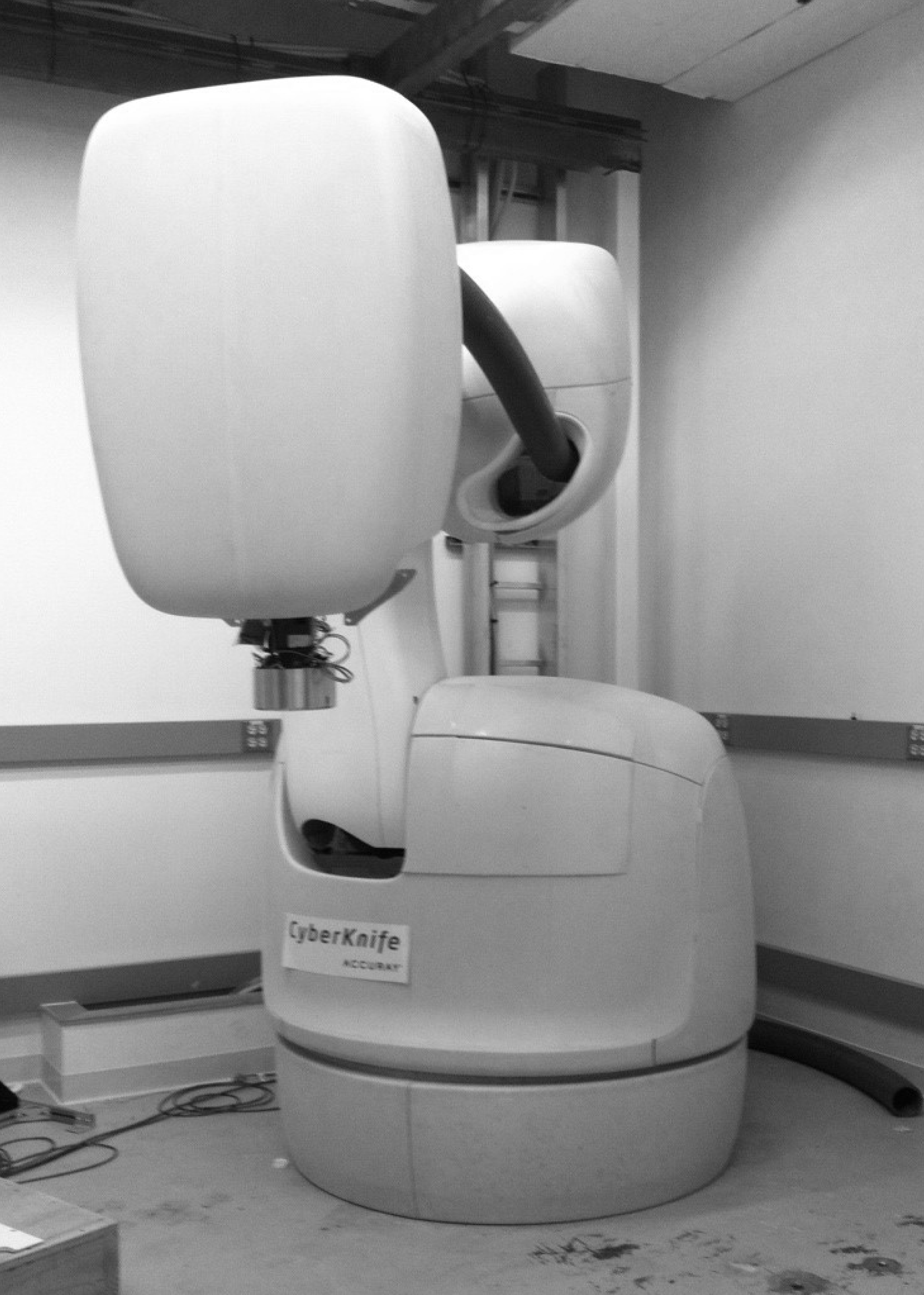
To secure final approval and initiate production tooling, we created a 1:1 “golden sample.” While this model had limited functionality, it fully represented the final design intent, including form, proportions, materials, and overall visual quality.